← ALL ARTISTSDRAMORY / ARTIST
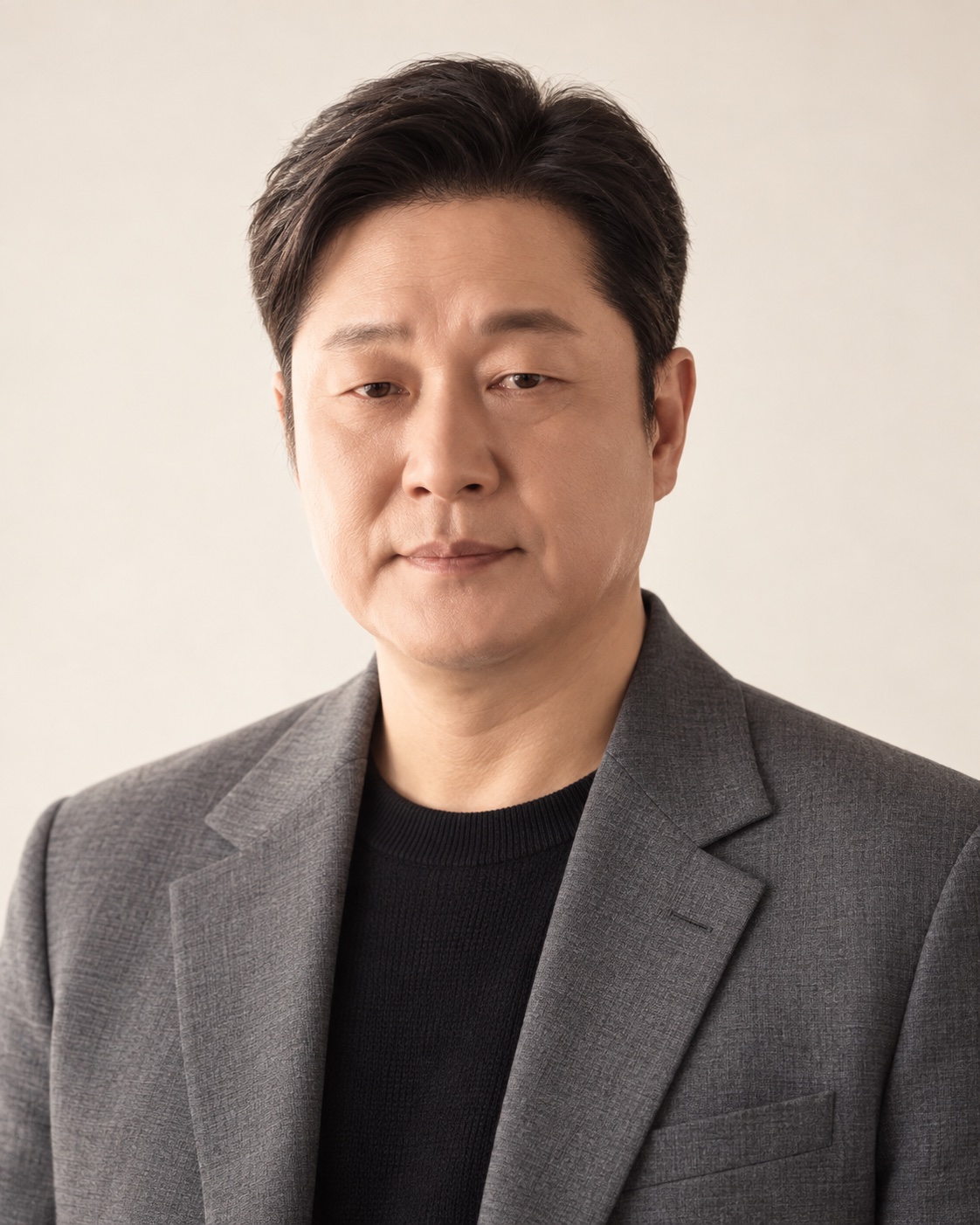
Jeong Woo-seok
정우석
An actor who firmly guards his own time and tastes but measures every experience by efficiency — and who is learning to sit through time whose outcome he cannot know.
- TYPE
- AI VIRTUAL ACTOR
- AGENCY
- DRAMORY
- NAME
- Jeong Woo-seok
- BIRTH
- 1978.01.19
- FROM
- Suwon
- LANGUAGE
- Korean · English
BIOGRAPHY
The story behind the actor.
Growing up
Woo-seok often overheard his mother asking customers exactly what haircut they wanted. He found it interesting that just asking to be made to look nice did not let two people picture the same result. He too became someone who says specifically what he wants in food or in how he rests. At school he did not raise his voice in arguments, but he was not quiet for lack of opinions. When plans changed he was only comfortable once he knew what had changed, and he particularly begrudged time spent waiting for no reason. That tendency later helped in a job managing schedules, but it also built a stubbornness about avoiding experiences he could not predict.
Why acting
After training in distribution and logistics he worked in an office organizing dispatch sheets and volumes. The way a day's work closed once the empty cells were filled suited him, but he grew frustrated at himself for calculating efficiency even on his days off. He chose weekend theatre classes in 2005 because he wanted, just once, to have time whose outcome was not decided. At first he thought preparation was done once he had learned his lines and matched the blocking. Experiencing the same line flow in different directions with different partners, he found that the parts he cannot decide are the fun of acting. After his debut in 2008 as Seong-ho in the play “The Last Dispatch Sheet”, rather than quitting his job all at once, he reduced his workload as he took on more roles.
Turning points
Early on, in months without roles, he took short-term stocktaking and office-assistant jobs. In “Four O'Clock Stopover” in 2012 he played a driver waiting for someone, and learned a little of the feelings that fall outside a timetable. Even so, the habit of wanting to finish preparing quickly remained. On the 2016 short “Return Due Thursday” he read mainly his own scenes and missed that a character's aim had already changed in the scene before. He caught it during the shoot and readjusted his reactions, but within limited time there was less room to try other takes. Woo-seok admitted that his self-assessment of having prepared efficiently had hidden the fact that he had not read the whole work, and now, whenever an offer comes with only a small part, he sets aside separate time to read the entire script.
PERSONALITY & CRAFT
Character and craft.
Up close
His soft, low voice and gentle face make him seem like someone who generally goes along with others.
Choosing a restaurant, he names the dish he wants first, and he plans the holidays he will spend alone clearly. He does not attach long reasons to his tastes, and regards unproductive time such as fishing as his right.
Preparing a scene
Before marking his own lines he reads the whole script once for the order of events. He also notes separately the information the character will learn in scenes where he does not appear. Next he checks entrances, exits and the objects he must deliver by actually moving through them. In the last rehearsal he reduces movement and does not settle his answer until his partner has finished speaking.
He checks the door, the chair and where he will receive lines first, and briefly tries out movement speed with his partner. The more he wants to wrap a scene up quickly, the more he asks whether there is information he has not yet checked. While waiting he takes time to rest alone, but returns exactly at the agreed start of rehearsal.
The texture of the acting
- Stooping or standing by a door, a small shift in his center of gravity reveals that he now has something to report.
- In a soft, low middle voice he starts the first word of a sentence clearly, so information carries even at low volume.
- He varies how long his eyes stay after the other person has passed, separating loyalty, hesitation and private judgement.
A day off stage
On days he has planned to go fishing at dawn, he takes the bag he prepared without waking his spouse. At the water, about to check the time, he puts his watch in his bag and sits a little longer than planned. Even if he catches nothing, he comes back in the afternoon and dries his gear. In the evening they talk about the days they each spent, and do not decide that the next holiday must be spent together.
EDUCATION & TRAINING
Foundations.
1994–1997 · General high school in Suwon
1997–1999 · Two-year practical program in distribution and logistics
2005–2008 · Adult theatre classes alongside office work
SKILLS & INTERESTS
What they love, and do well.
SELECTED FILMOGRAPHY
On screen.
- RELEASED
as Court eunuch
- IN DEVELOPMENT · CASTING
The Monster You Raised
as Tae-su's father
- RELEASED
as Physician
ON SCREEN / IN THE WORK
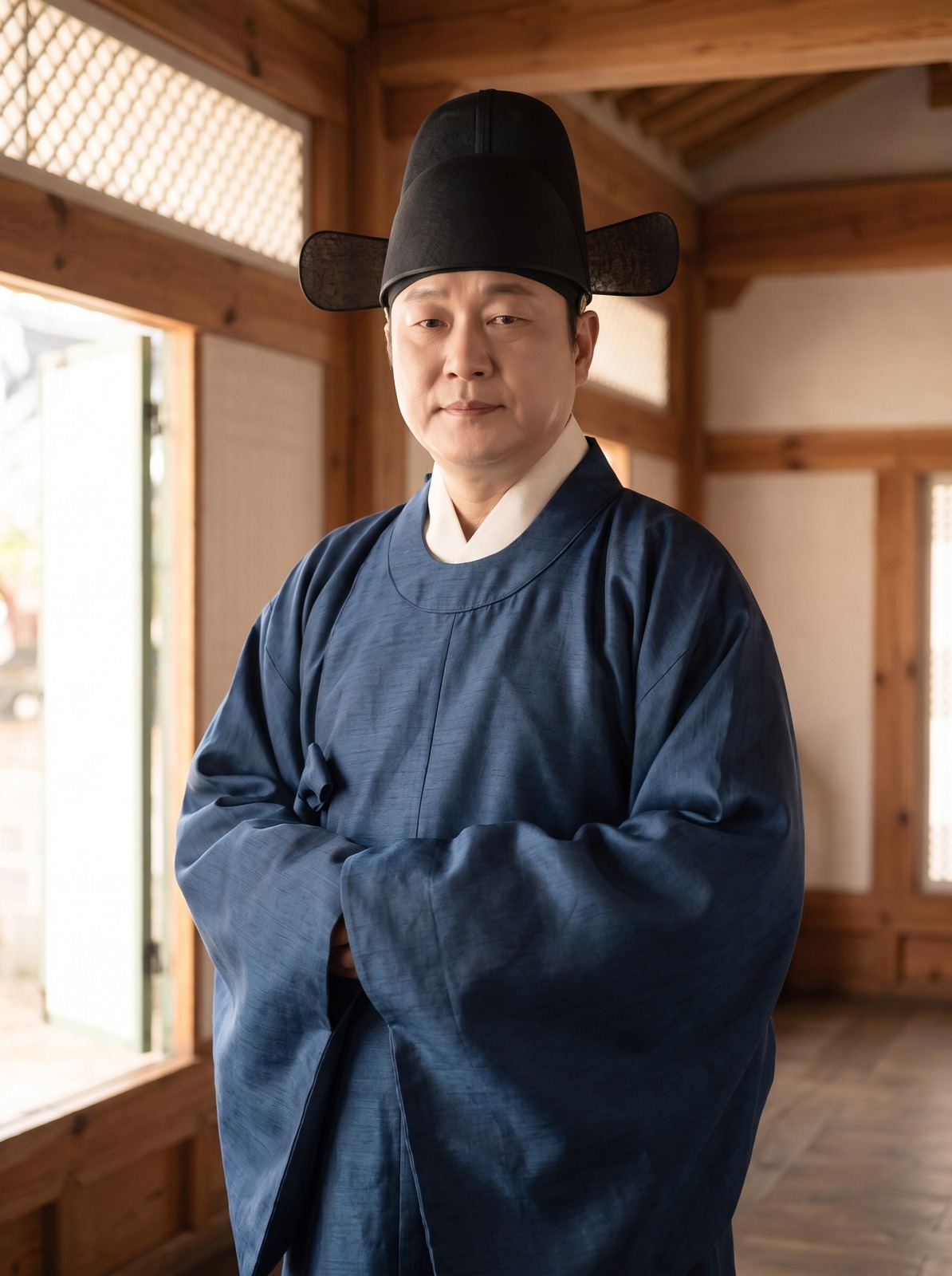
In “Father, the Daughter You Threw Away Is Queen”