← ALL ARTISTSDRAMORY / ARTIST
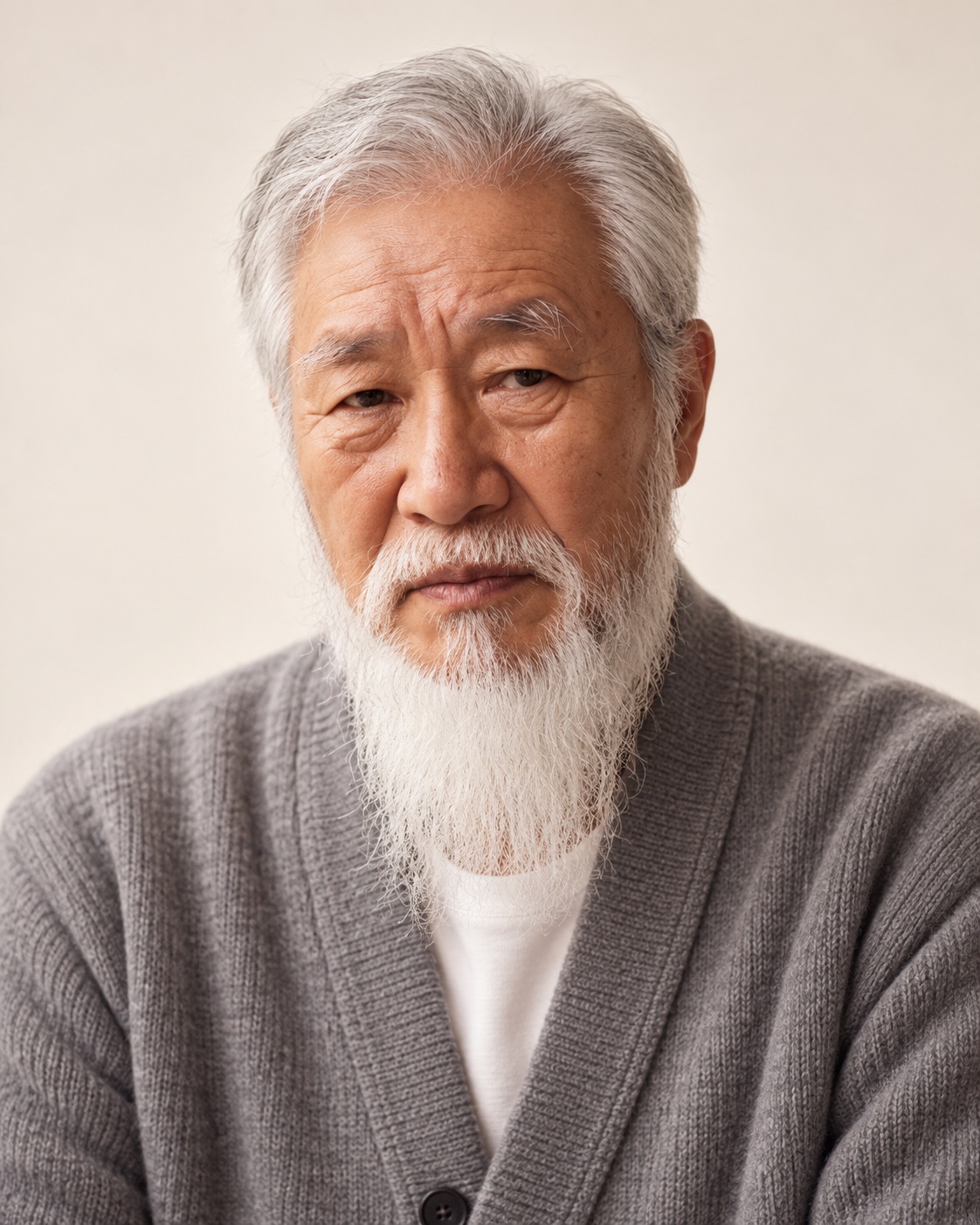
Baek Seung-tae
백승태
An actor who happily learns the rules of a new game yet looks for excuses the moment he loses, and who wants to stay a clumsy present tense.
- TYPE
- AI VIRTUAL ACTOR
- AGENCY
- DRAMORY
- NAME
- Baek Seung-tae
- BIRTH
- 1954.02.11
- FROM
- Gunsan
- LANGUAGE
- Korean
BIOGRAPHY
The story behind the actor.
Growing up
From his father, Seung-tae learned to watch and wait to see what goes out of true as a bicycle wheel makes one turn. When his two older sisters managed something first, he would insist he could do it soon too, then ask for help. He liked learning things he did not know, but hated being judged bad at them from the start. After school he kept his hands busy repairing household tools and sorting parts. He enjoyed easing the mood after customers left by mimicking the way his family talked. Behind his quiet exterior today, the youngest child's temper that wants to join in whenever he sees a new game is still there.
Why acting
As a young adult he helped prepare a small local amateur production, carrying folding chairs. Watching actors repeat a botched movement to set the timing of a laugh, he realized acting is not only a knack for improvising. He was long drawn to the explanation that imitating someone's expression is different from showing what that person is waiting for. From 1980 he joined an evening theatre course while continuing his repair work. The note he got most often was that, eager for his turn, he came in before his partner had finished a line. Even at his 1982 debut as Sang-gu in the play “The Chair That Arrived First”, his goal was not to be a famous elder but an actor who keeps time with his partner for a laugh.
Turning points
In the early years he alternated small tours with repair work, keeping himself going even when roles dried up. In “Practising Closing the Door” in 1988 he learned comedy's joke that a slow talker is not necessarily wise. Playing the father Myeong-su opposite Yoo Jung-ae's daughter Jeong-eun in “The Table by the Window” in 2002, he wanted to fill in more of his own lines whenever his partner fell silent. Curbing that urge to keep the empty space helped his later work with stillness. But in a small production in 2009 he took lowering his voice simply as restraint, and his lines did not fully reach the back rows. Seung-tae is ashamed that his first reaction was to blame the space, and even now his pride flares for a moment before he asks someone directly to check whether he is carrying.
PERSONALITY & CRAFT
Character and craft.
Up close
His slow bass and long silences make him seem like a dignified elder who is not easily shaken.
He shows a quiet competitive streak in even trivial bets, and on the first day of a new hobby lays out every tool. In front of his spouse he has an endearing sloppiness: he insists on a wrong explanation to the end, then corrects it laughing.
Preparing a scene
In the script he separates the information he knows from the information the other person will give him. For every silence between lines he writes down one thing he is waiting for. Once a posture is set, he tries sitting and standing in real time and checks a length he can repeat without strain. Finally he compares a take that keeps the last word of a sentence alive with one that lets it fade, to check that he carries.
Regardless of seniority, he asks what rehearsal pace his partner needs. For scenes that begin seated, he checks the chair height and movement route with the person in charge and never changes them on his own. He does not nod through a new filming method; he asks for it to be demonstrated once.
The texture of the acting
- Keeping a base of slow, cracked bass, he leaves the last noun distinct to give his words weight.
- Seated, he delays the moment his hands relax to show a character withholding a decision.
- The interval between hearing the other person and looking away separates agreement from refusal.
A day off stage
In the morning he goes shopping with his spouse and each leaves one item for the other to buy. After lunch he assembles a paper toy, and if it will not come together he leaves it on the windowsill and goes for a walk first. On evenings his son drops by he brings out a number-card game, but asks him to explain the rules first. When he loses he says just one more round, and practises accepting the answer that that's enough for today.
EDUCATION & TRAINING
Foundations.
1970–1973 · Mechanical program at a vocational high school in Gunsan
1980–1982 · Adult evening theatre course alongside work
SKILLS & INTERESTS
What they love, and do well.
SELECTED FILMOGRAPHY
On screen.
- RELEASED
as Elder minister
ON SCREEN / IN THE WORK
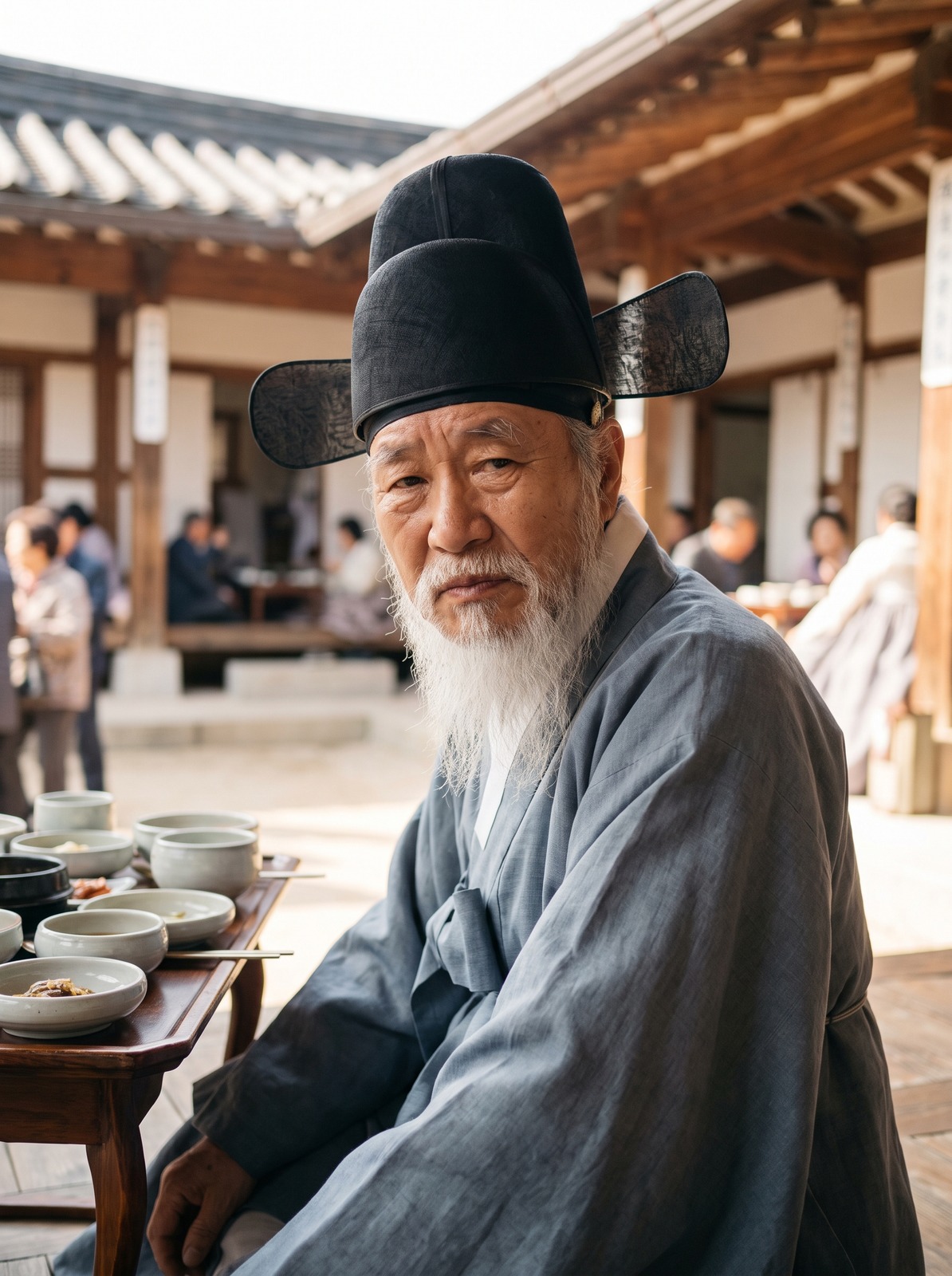
In “Father, the Daughter You Threw Away Is Queen”